Ask three contractors for a renovation ROI Vancouver estimate and you'll get three numbers, none of them useful without a postcode. Return on a renovation is not a percentage baked into the material. It's a function of the sale ceiling in that specific pocket, minus your cost basis, minus the labour cost of doing the work to a standard the appraiser accepts. Change any of those three inputs and the answer flips.
We've quoted enough exterior work across the Lower Mainland to see a pattern in which pockets reward a renovation and which ones swallow the spend. This is a working guide, not a market report. It's the shortlist we use when a homeowner or investor calls and asks whether they should renovate a house or list it as-is.
Renovation ROI in Vancouver: where the math actually works
A stucco re-clad costs roughly the same in Kerrisdale as it does in South Surrey. What differs is how much of that cost you get back at sale. The gap between an average home and a top-of-market home varies wildly by pocket. In some blocks the ceiling sits $200K above the average. In others it's $2M. That gap is your working room.
Three things move the ceiling in the GVA:
- The land component. In West Vancouver, the improved value is a small fraction of total price; the lot is the asset. In Coquitlam or Langley, the building is often the majority of the value. That changes what a renovation can recover.
- Housing stock age. Pre-1975 stock (Vancouver Special era, older Vancouver East character homes, North Van bungalows) has more work to do on envelope, wiring, and insulation, but also more upside once done. Post-2000 stock in Coquitlam or Surrey often only needs cosmetics, so ROI comes faster but with a lower ceiling.
- Buyer expectations. A renovated character home in Kitsilano needs original details preserved. A renovated house in Willoughby needs a modern open kitchen. Miss the local buyer profile and the renovation reads as spend, not value.
Neighbourhoods where the math tends to work
East Vancouver character pockets: Hastings-Sunrise, Grandview-Woodland, Renfrew Heights
Character homes on 33x122 lots with strong walk scores. The buyer profile is design-conscious. Envelope work (stucco, cladding, windows) plus a quality kitchen consistently returns 80-110% of cost at resale, per the pre-list appraisals we've seen. The trap: over-renovating past the $1.8M ceiling in that pocket. Once you cross it, the buyer pool thins fast.
North Vancouver: Lynn Valley and Lower Lonsdale (older stock)
North Van has the largest gap between "dated 1970s home" and "renovated same house" of anywhere we work. Mountain views, family school catchments, and short SeaBus access all support the top end. Exterior renovation projects here (new stucco or fibre cement, envelope upgrades, deck systems) track well because buyers pay a premium for turnkey. The municipal permit process is slower than most of the GVA; budget an extra 6-8 weeks over your comparable Surrey timeline.
Burnaby transit-oriented pockets: Metrotown, Brentwood, Edmonds
The zoning story here is the story. Homes near Millennium Line stations sit on land with growing density potential. A renovation that positions the home for holding value 5-7 years (envelope, mechanical, exterior finish) tends to work because the resale window is long enough to capture pricing changes tied to transit-oriented development. Multi-family and strata work in these corridors is where our team spends most of its time, and where the appraiser math is most stable.
New Westminster: Queen's Park and Sapperton character homes
Queen's Park heritage designation adds friction but also insulates value. Sapperton character homes at lower price points give room for exterior work to move the ceiling. Sapperton in particular has been catching quiet ROI for owners who renovate before the block reprices. Heritage zoning changes what you can do on the exterior, so always check the heritage register before you plan a full re-clad.
Coquitlam: Burke Mountain and Westwood Plateau (specific pre-2005 stretches)
Newer stock than most of the GVA. ROI here comes less from envelope failure and more from cosmetic modernization aligned with what young families are willing to pay for. The trap: builder-grade finishes replaced with builder-grade finishes recover 40-50%, not 90%. If you're renovating for resale in Coquitlam, the material choice needs to sit one tier above the neighbours, not match them.
Neighbourhoods where the math tends to break
West Vancouver mid-market. The land dominates. A $300K renovation on a $3.5M lot rarely moves the sale price by $300K. Custom renovation here works when the owner plans to stay 10+ years and use the home, not when the math is meant to close in a resale window.
Richmond flat-stock 1980s subdivisions. Coastal air and clay soil accelerate exterior deterioration, so the envelope cost is real, but buyer expectation caps have moved slower than construction costs. Selective envelope work (stucco repair, targeted window replacement) pencils out; full re-clad often does not.
Surrey ceiling-adjacent stretches. Parts of South Surrey where the top of market is capped by school catchment or lot size. Full-scope exterior renovation gets close to the wall. Cosmetic plus landscaping is a better spend here than a re-clad.
The mistake we see most
Homeowners plan the renovation from what they want, then check the ROI at the end. It's the wrong sequence. The neighbourhood ceiling is fixed on the day you buy. Everything else, scope, finish level, material, should be reverse-engineered from that ceiling minus a target margin, then priced against a real estimate. When we run pre-scope calls with owners who did it the other way around, we're often the ones telling them their planned scope will lose them money. That's an uncomfortable conversation, but it's the honest one.
Strata owners see a variant of the same trap. When a depreciation report triggers envelope work, the council sometimes scopes the fix to the minimum the report calls for. If the building sits in a Burnaby or New Westminster corridor with density potential, an envelope done to code is often worth less than the same envelope done to a spec that positions the building for the next resale cycle. The delta on the invoice is small; the delta on unit values can be large.
What a properly-scoped renovation looks like in these pockets
A Grandview-Woodland owner called us last spring. 1948 house, tired stucco, single-pane windows, a functional but dated interior. They had a $180K budget from a HELOC. The instinct was full kitchen and bath plus windows. We walked the exterior, tested the envelope in two spots, and recommended envelope and windows and exterior finish first, deferred the kitchen to phase two. The house appraised $310K above the neighbourhood median on a refi eight months later. The kitchen came next season, funded from the increased equity. That is the ROI pattern that works: envelope first, cosmetics after the ceiling has moved.
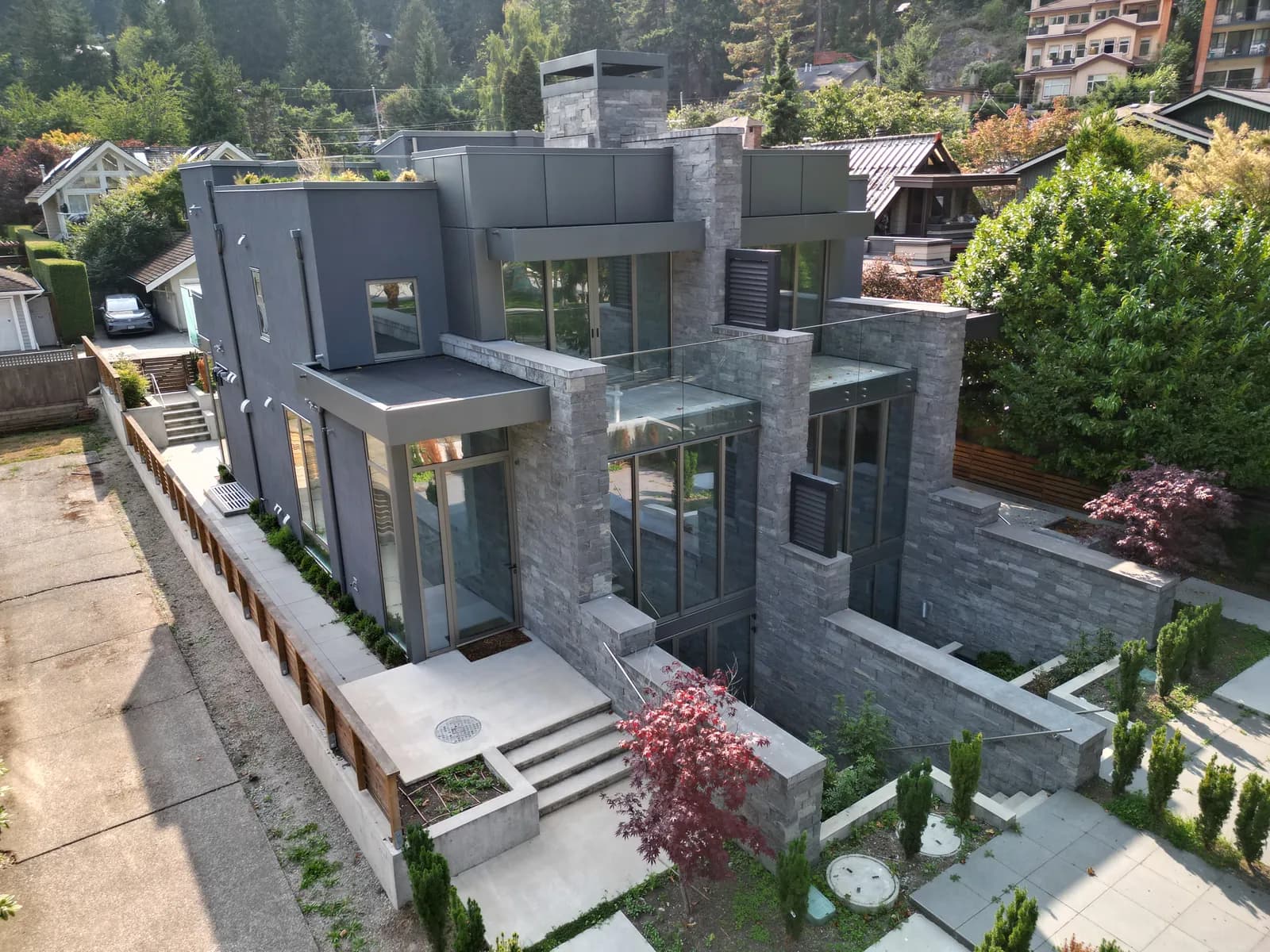
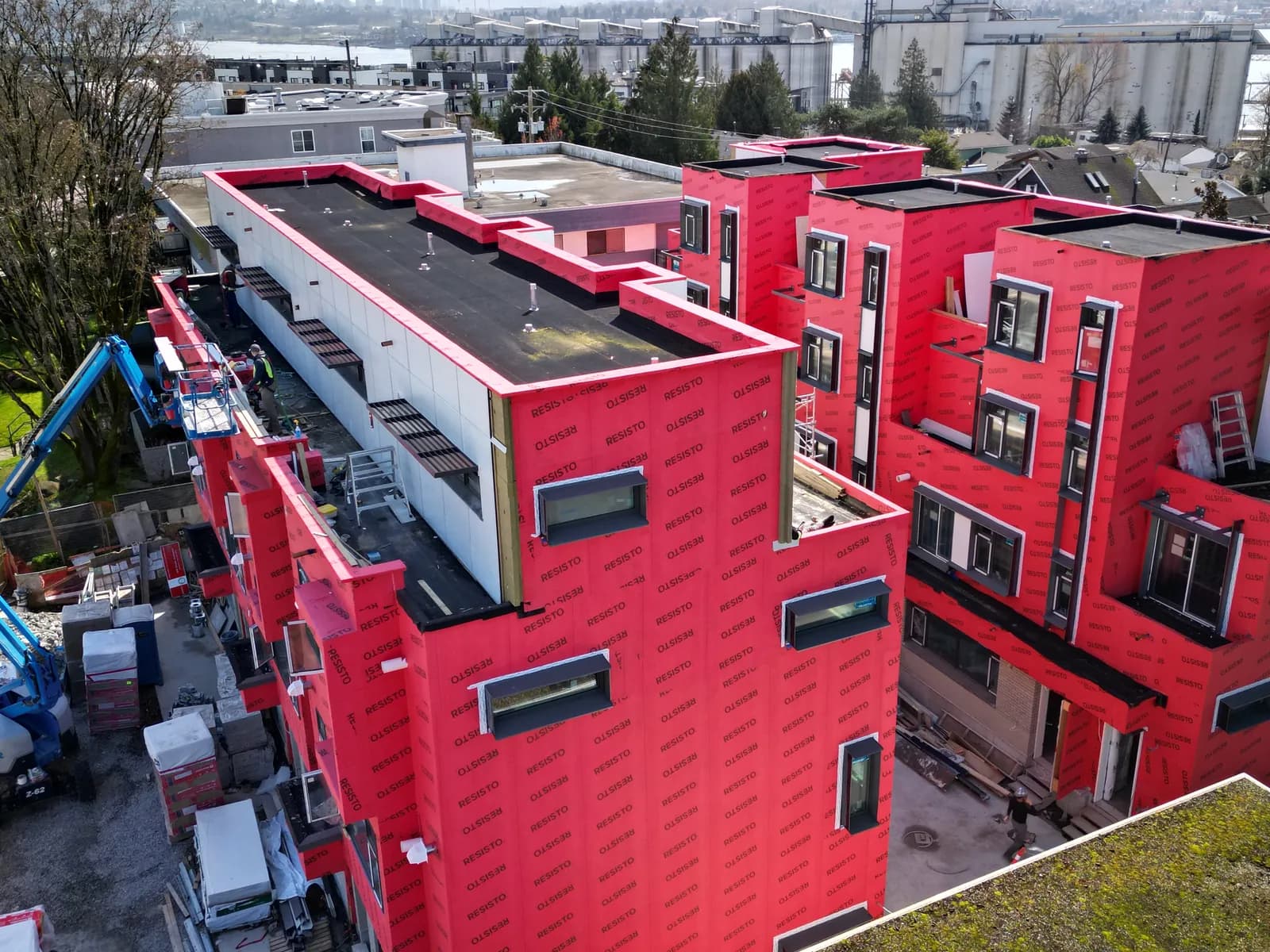
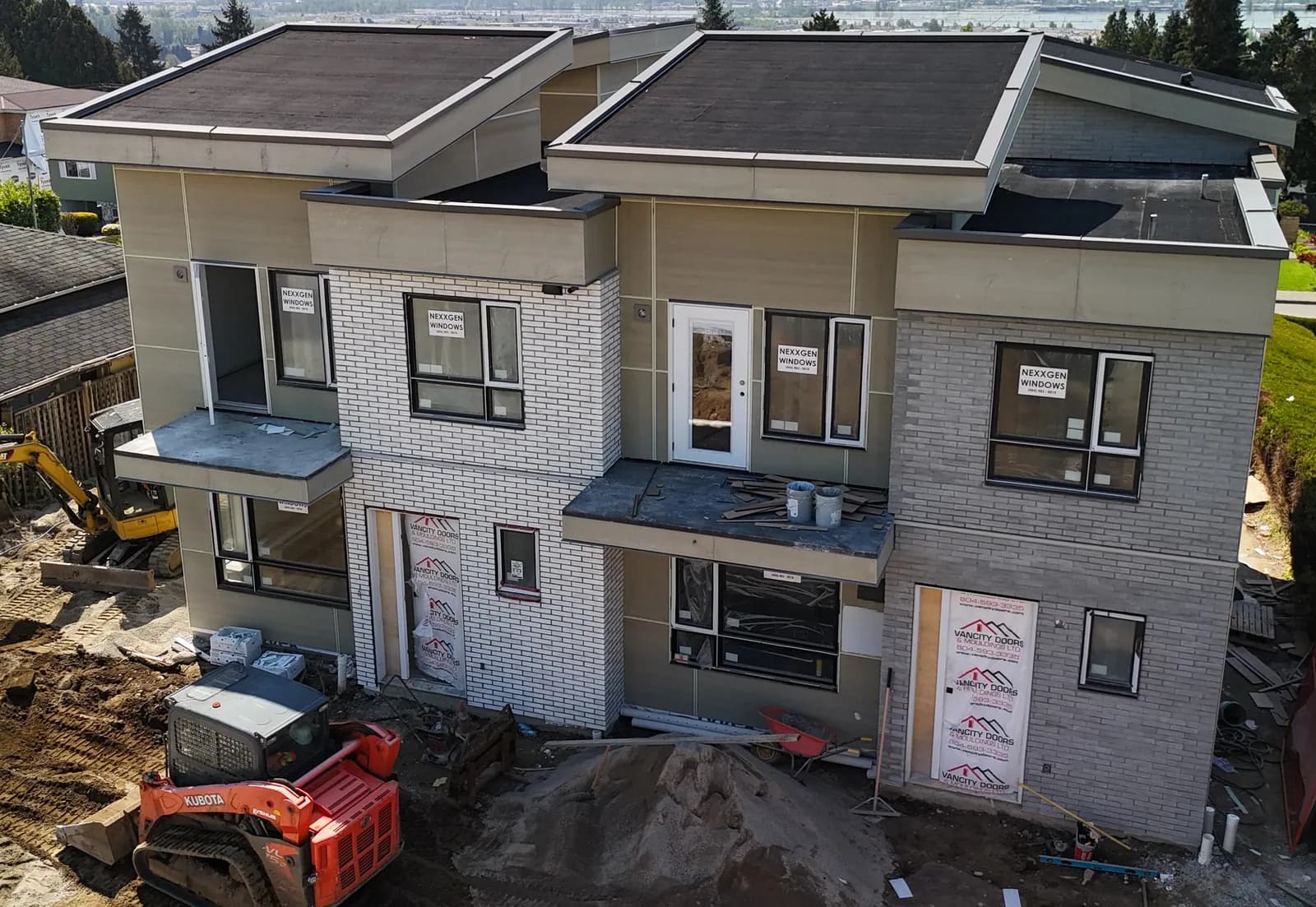
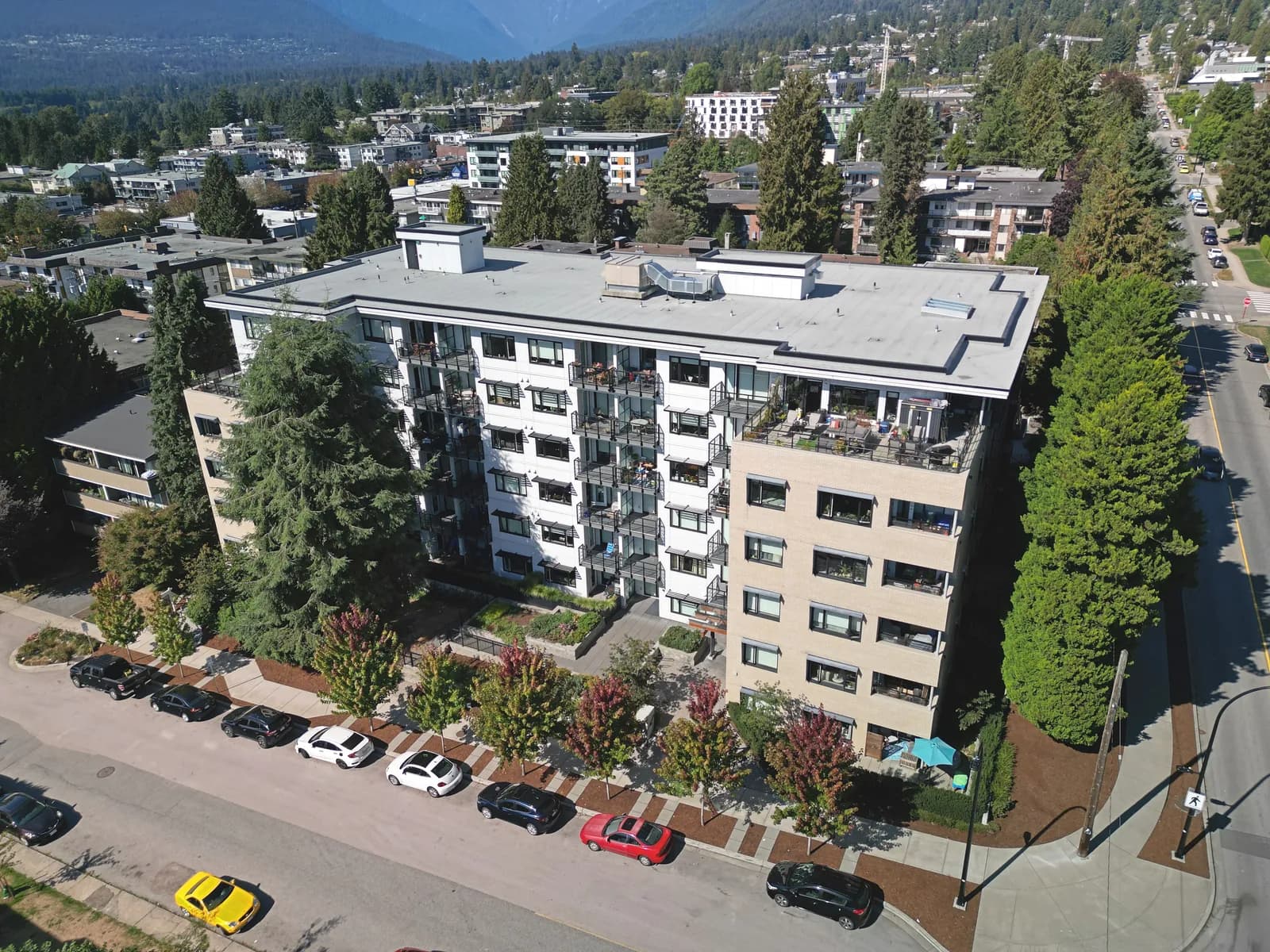
You can see the type of exterior renovation work that drives this pattern in our project catalog.
Where the numbers land, on average
For a straight comparison across the pockets we work in most, this is what appraiser feedback and resale outcomes have looked like over the last 18 months on our own projects:
- East Van character homes: 85-110% ROI on envelope plus exterior finish work
- North Van older stock: 75-100% ROI, higher when views are involved
- Burnaby transit corridors: stable 70-85%, plus positioning for density resale
- New Westminster character: 80-95% ROI, higher on non-heritage stock
- Coquitlam newer stock: 55-75% ROI on cosmetic, higher only when the finish level is stepped up
- West Van mid-market: 30-50% ROI, renovate for use, not for resale
- Richmond 1980s subdivisions: 50-65% ROI on selective envelope work, lower on full re-clad
Those are practitioner numbers, not real-estate marketing numbers. They assume good scoping, licensed trades, and a warrantied result. They do not hold if the work is done cheaply and shows it at the appraisal.
Trust, warranty, and the boring stuff that protects the ROI
The ROI math above assumes the work holds up. A re-clad that looks clean on year one but leaks on year three costs the ROI plus the litigation. MV Construction is fully licensed, WCB-insured, and carries a written warranty on every project. Ten years of exterior work across the GVA, backed by a written scope of work and a written estimate before any tool touches the wall. That is the version of the work that actually protects the renovation ROI Vancouver homeowners are trying to build.
We also give a written estimate up front. No verbal numbers, no surprises. If the scope changes mid-project, it's a written change order signed before we do the work, not a surprise on the final invoice.
If you're weighing a renovation in one of these pockets
The right first step is a site visit and a written estimate, not a phone quote. We'll walk your exterior, tell you what the envelope actually needs, and give you a written scope tied to a written price. If the numbers don't work for your neighbourhood ceiling, we'll say so. We've told a fair number of owners not to renovate at all.
Call 778-378-6393 or request a quote with a few photos and your postcode. We work across the Lower Mainland and North Shore and can usually book a site visit within a week.