The first Pineapple Express of the season usually lands in the Lower Mainland somewhere between mid-October and early November. Homeowners in Coquitlam wake up to a downpour that dumps 80 mm in 18 hours, a soffit that drips into a bay window, or a downspout that clogged in September and now sends water sheeting down a stucco wall. A proper fall home maintenance checklist for BC is not glamorous work, but it decides whether you spend $600 on prevention or $16,000 on a mid-winter restoration claim.
BC's atmospheric river season, October through March, delivers the sustained rainfall and gusty pressure that finds every weak point in an exterior. Anything loose comes off. Anything blocked overflows. Anything gapped opens up. The window to catch these problems is short: from Labour Day to the last week of October, before the ground softens and access ladders become dangerous.
What should a fall home maintenance checklist for BC actually cover?
Six exterior systems, in this order: gutters and downspouts, roof drainage and flashings, siding and sealants, windows and doors, decks and horizontal surfaces, and site drainage away from the foundation. Each system has one failure mode that shows up first. Gutters clog, flashings lift, sealant beads split, window head-flashings back out, deck membranes hairline crack, and grade shifts toward the wall. Fix each one before the first 60+ mm storm.
Gutters, downspouts, and roof drainage first
The single most productive hour of fall maintenance is on the gutters. In North Vancouver and West Vancouver, cedar and hemlock needles pack a K-style gutter into a solid line by mid-October, and a full gutter overflows behind the fascia. The water then travels down the wall assembly instead of the downspout, and the first sign is a stain on the soffit six weeks later.
Clear gutters and downspouts of debris. Flush each downspout with a hose from the top and confirm water exits the discharge, not into a splash block that has drifted against the wall, and not into a French drain you have not tested in three years. Check that gutter hangers are secure every 24 to 32 inches on the fascia. A hanger that has pulled out under the last storm's weight will not hold this year's ice load.
While you are on the ladder, look at the roof-to-wall transitions. Step flashing, kick-out flashing at eaves, and counter-flashing at chimneys all move under wind. A missing kick-out on a two-storey home is one of the top causes of stucco failure in the Fraser Valley. The flashing is small; the damage it prevents is not.
Exterior wall envelope: siding, flashings, sealants
Walk each elevation of the house on a dry day and look at three things.
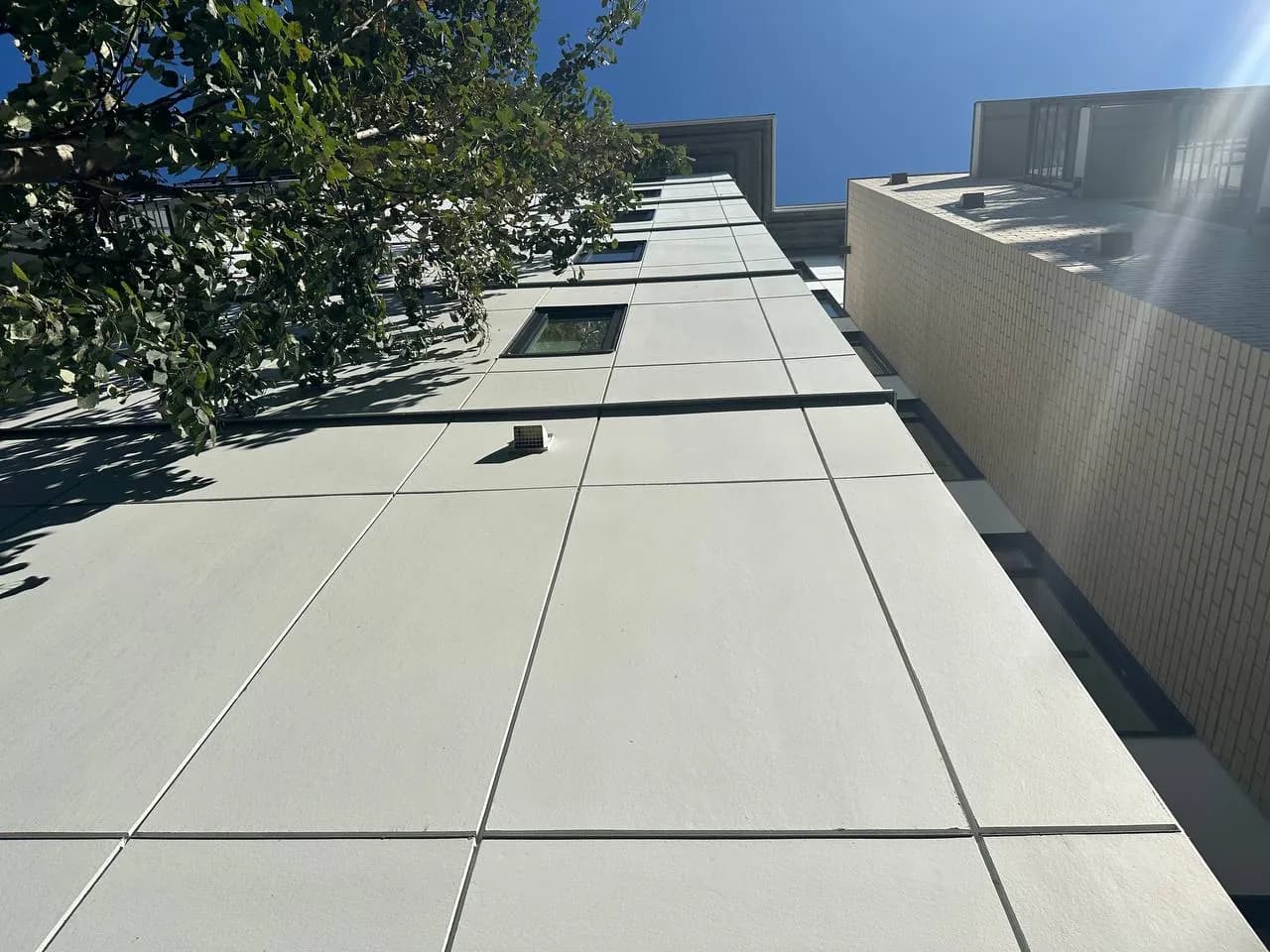
Siding condition. Cedar shingles that curl, fiber cement boards with cracked nail lines, longboard end joints that gap, or stucco with hairline cracking wider than a credit card. Small failures at gables and upper corners take the brunt of wind-driven rain.
Sealant beads. Around windows, doors, hose bibs, dryer vents, electrical penetrations. Sealant that has hardened, cracked, or pulled away from one edge is no longer a seal. A tube of quality exterior sealant is $12; a wall assembly saturated by four months of drips runs into five figures.
Head flashings and drip edges. These sit above window and door openings and shed water clear of the frame. If a head flashing is bent up, missing, or was never installed properly (a common defect on older BC homes and 1990s condo stock), water tracks behind the trim and into the sheathing.
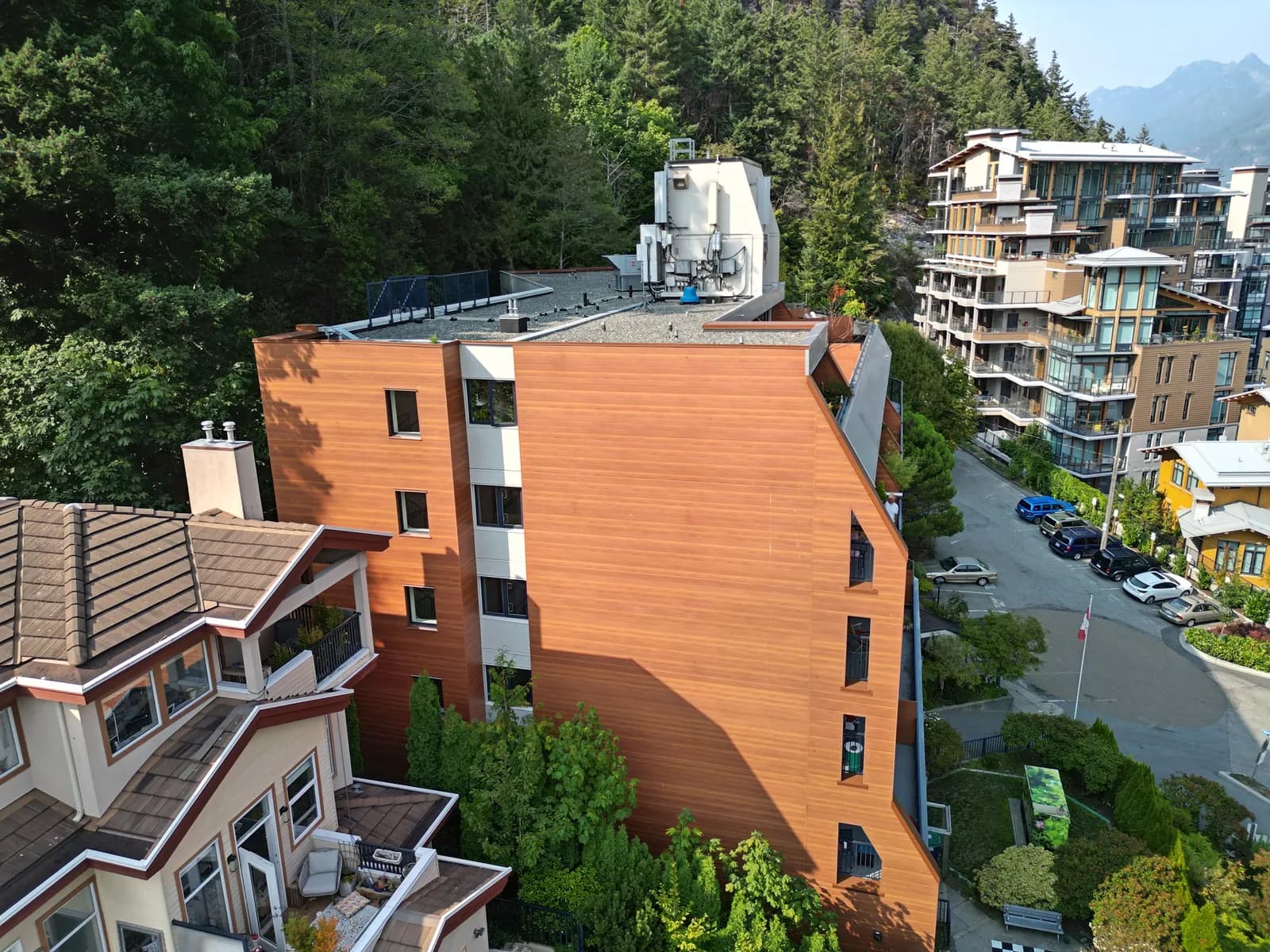
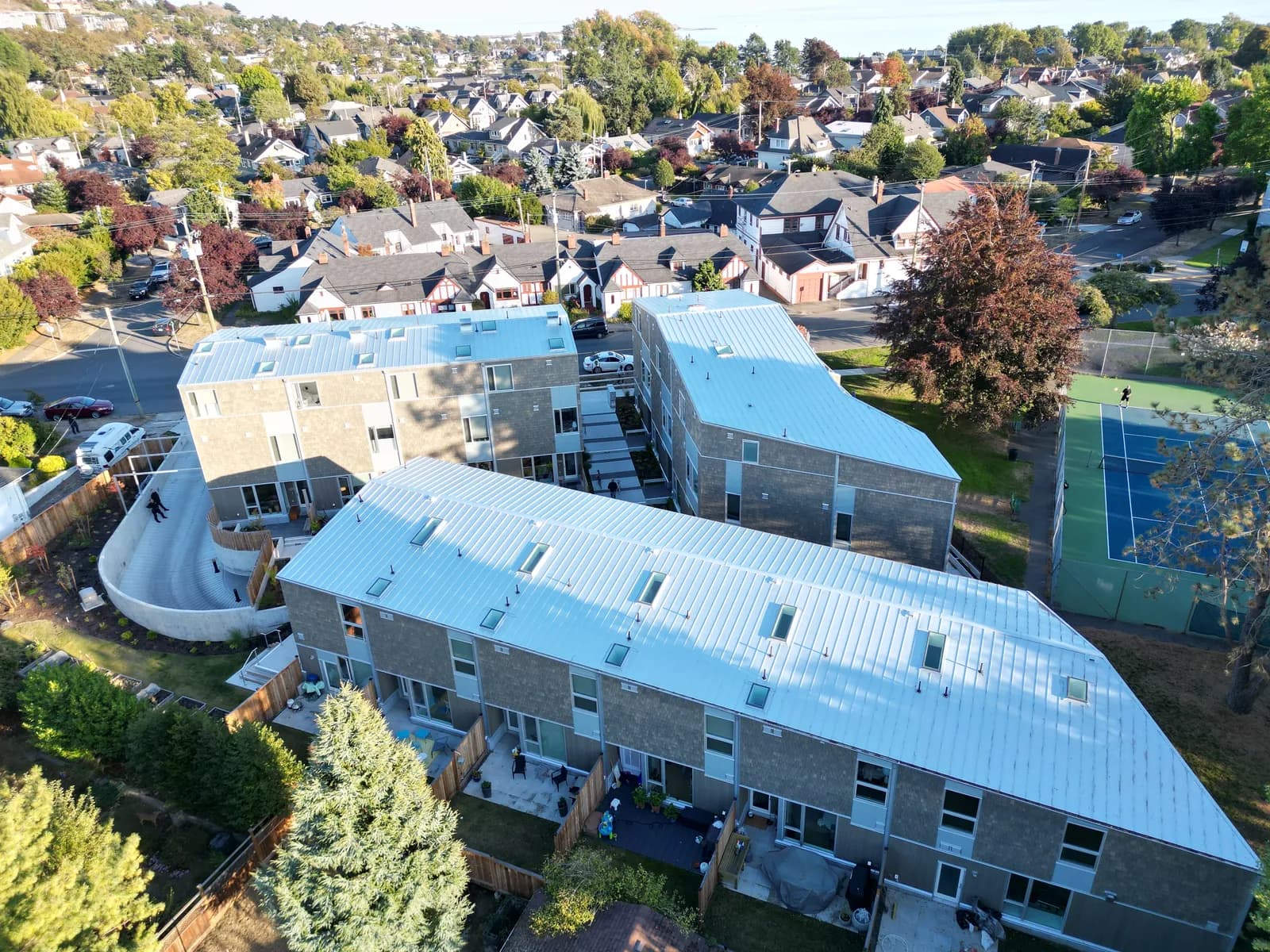
For strata buildings and mid-rise multi-family, this walkaround is often done as an annual envelope inspection by the property manager. If your building's depreciation report flagged any exterior items, fall is the last window to scope and schedule before the wet season closes access.
Windows, doors, and horizontal surfaces
Windows fail at the head flashing above them and at the sill drainage below. Test each window sill for standing water by dripping a cup of water on the sill during a dry day; it should sheet outward within seconds. If it pools, the sill pan is either missing or blocked.
Doors, especially patio and garage doors, need sweeps and thresholds checked. A door sweep that has torn or compressed lets wind-driven rain into the interior floor plate.
Decks and balconies are the horizontal surface that fails most often in BC. Vinyl-membrane decks with hairline cracks or lifted seams need repair before winter, because rain sits on a deck instead of running off, and any breach becomes a leak into the ceiling below. Balcony scuppers and drains must be clear.
For any strata or multi-family owner reading this, balcony membrane failure is the leading interior-damage claim on our restoration desk from November through February. It is also the easiest fall inspection to skip because balconies belong to individual units and the master inspection scope often stops at the common property line.
Site drainage away from the foundation
Grade should slope away from the wall at 5% for the first 3 metres. Downspouts must discharge at least 2 metres from the foundation, into a splash block or drainage line that is not blocked. In Richmond, Delta, and parts of coastal Surrey, high water tables mean the perimeter drain tile at the footing is doing most of the work, and any surface pooling adds directly to interior humidity in the crawlspace or basement.
If you have not tested your perimeter drain in five years, a video scope in September runs about $350 and tells you whether it is intact or full of silt. A failed drain tile is a project for spring, not a call to make in January while water is entering the crawlspace.
The insurance conversation you want to have in September, not February
Most BC home insurance policies cover sudden and accidental water damage but exclude gradual seepage and pre-existing wear. That distinction is where fall maintenance protects the claim, not just the building. An insurer looking at January water damage will ask when the gutters were last cleaned, when the sealants were last inspected, and whether the flashing that failed was previously flagged. Owners who can point to a September walkaround, a receipt for gutter cleaning, or a written scope from a licensed contractor keep the claim on the "sudden" side of the line.
For strata buildings, the master policy covers the envelope, but strata councils face rising deductibles and the pressure of loss-ratio underwriting. A documented fall inspection lowers the political friction when a claim does happen, because the council can show it did not defer known maintenance.
When to do each item
Late August through September is the ideal window: warm enough for sealant to cure, dry enough to walk a roof safely, and early enough to schedule any repairs before the wet season. Anything that requires paint or exterior finish work needs temperatures above about 7°C, which in most of the GVA closes around late October.
MV Construction has spent 17+ years walking BC exteriors from Vancouver Island through the Fraser Valley into the Tri-Cities, on single-family homes, custom builds, and strata buildings large enough to need a scope of work rather than a punch list. Every fall inspection we do is licensed, WCB-covered, and turned into a written scope with fixed pricing so owners can act on real numbers, not verbal estimates. When work is needed, it comes with a written warranty on the workmanship.
The local angle
Fall exterior conditions vary across the region. North Shore homes deal with heavy leaf and needle load in the gutters. Fraser Valley homes take sustained pressure-driven rain at flashings during multi-day fronts. Coastal Delta and Tsawwassen see salt-air corrosion accelerate fastener failure on aluminum flashings. Vancouver Island's central and west coast get all of it plus longer sustained wind loads. The checklist stays the same. The urgency changes.
If your building is due for an exterior maintenance walkaround and you want a written scope before the first atmospheric river of the season, we can schedule a site visit within a few business days. Call 778-375-5672 or request a fixed-scope estimate. For strata and multi-family buildings where the walkaround needs to become a coordinated envelope scope, our building envelope restoration service covers gutters, flashings, siding, sealants, and membrane work as one contract with one warranty.