Two buildings on the same street can show the same brown stain under the same window and need completely different work. Behind the first stain is a failed sealant joint and a soft patch of sheathing the size of a pizza box. Behind the second, water has reached the stud cavities along most of the south and west walls. From the sidewalk they look identical. That is why the building envelope repair vs replacement decision in BC so often goes wrong: owners and councils make it from what they can see.
The right answer comes from inside the wall. Getting there before money is committed, and reading what you find once you are there, is most of the job.
When should you repair a building envelope instead of replacing it?
Repair is the better choice when water damage sits at specific details (a few windows, a balcony connection, a deck ledger) and the sheathing elsewhere tests dry. Full replacement usually wins once roughly a quarter of test openings show wet or decayed sheathing, damage appears on two or more elevations, or the wall is face-sealed and the owner plans to keep the building long term. In 2026, targeted repairs on a BC house typically run $10,000 to $45,000.
A full re-clad on a house runs about $40 to $75 per square foot of wall before windows. On a multi-family building, $80 to $160 per square foot of wall all-in is a fair planning range once consultant fees, access and new windows are counted.
What the outside of a wall can and cannot tell you
A walk-around tells you where to look. It says very little about how far the damage goes.
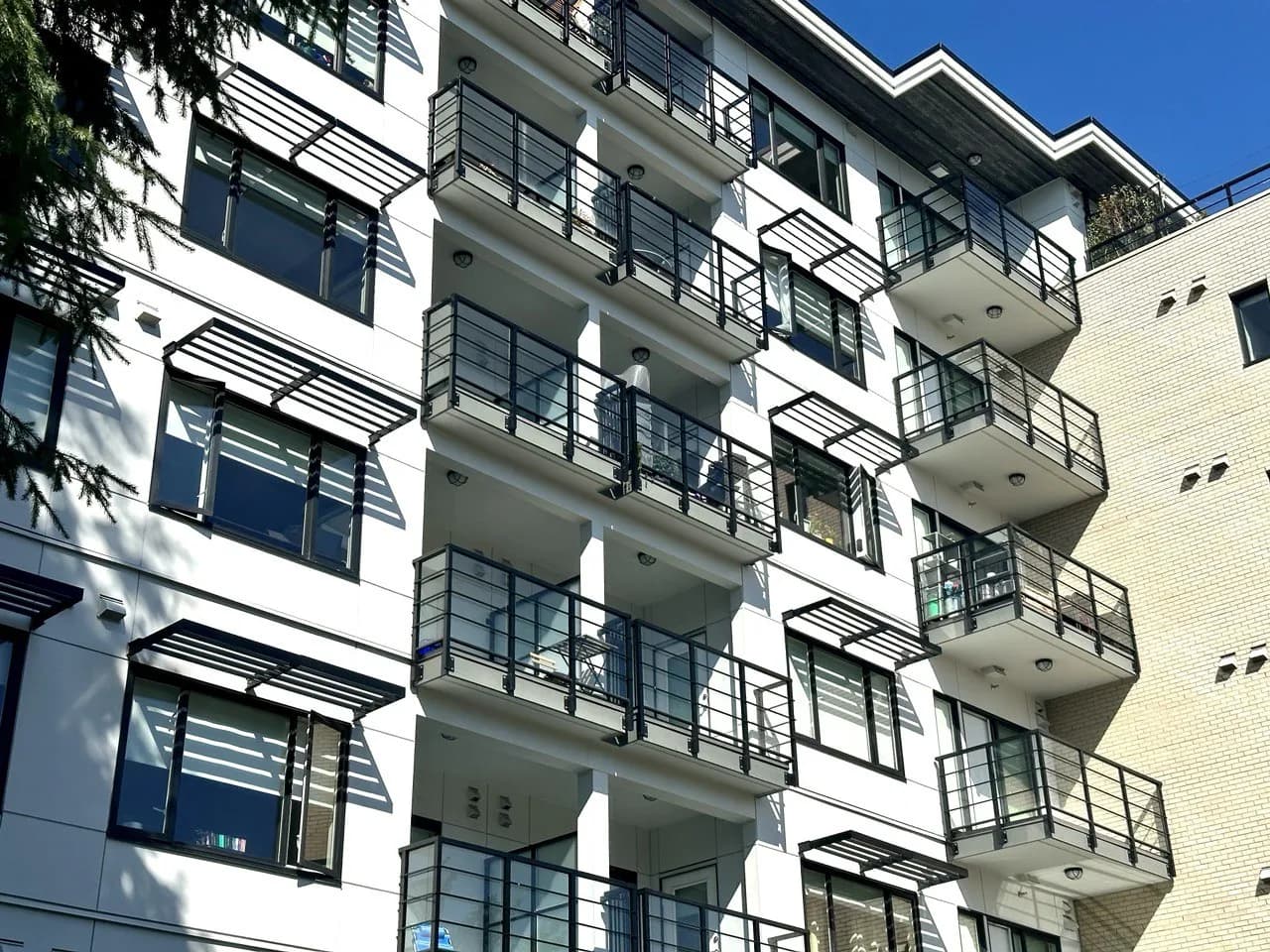
Write these down on a walk-around: staining that runs down from the lower corners of windows, diagonal stucco cracks starting at the corners of openings, paint blistering near the base of the wall, rust streaks below flashings, and white salt deposits on brick or stone. Inside, look for swollen baseboards on exterior walls, closets that smell musty after a week of rain, and drywall that feels cool and soft under a window.
None of these measure anything. A wall with heavy staining can be dry behind the cladding because the water ran off the surface. A clean, freshly painted wall can be hiding rot.
Measurement starts with a non-invasive moisture scan, which is useful for picking spots and weak for drawing conclusions. The real evidence comes from invasive test openings: cut the cladding, look at the sheathing and framing, take readings, close it up. In the Lower Mainland, an opening with patching and access runs roughly $700 to $1,400. On a house, four to eight well-placed openings usually tell the story. A three-storey strata building needs several per elevation, weighted toward window sills, balcony connections and the base of the wall.
Timing matters more than most people expect. A test opening cut in August after six dry weeks can read noticeably drier than the same wall in February. If you can choose, test between November and March, when Lower Mainland and Vancouver Island walls are at their wettest and the readings are honest.
The quarter line
When we walk a building with test results in hand, the rough line we use is this: if fewer than about one in four openings shows wet or decayed sheathing, and the damage traces back to identifiable details, repair is usually the better use of money. Past that point, or once damage shows up on two or more elevations, the repair scope starts to look like a replacement done in pieces.
Piecemeal replacement costs more per square foot than doing the wall once. Each repair area needs its own scaffold or lift, its own weather protection and its own transitions where new cladding meets old. Those transitions are where the next leaks tend to start, because the new assembly has a drainage cavity and membrane laps that the old one does not, and joining them cleanly is fiddly work. Finishes rarely match either, so owners end up recoating whole elevations to hide the patches.
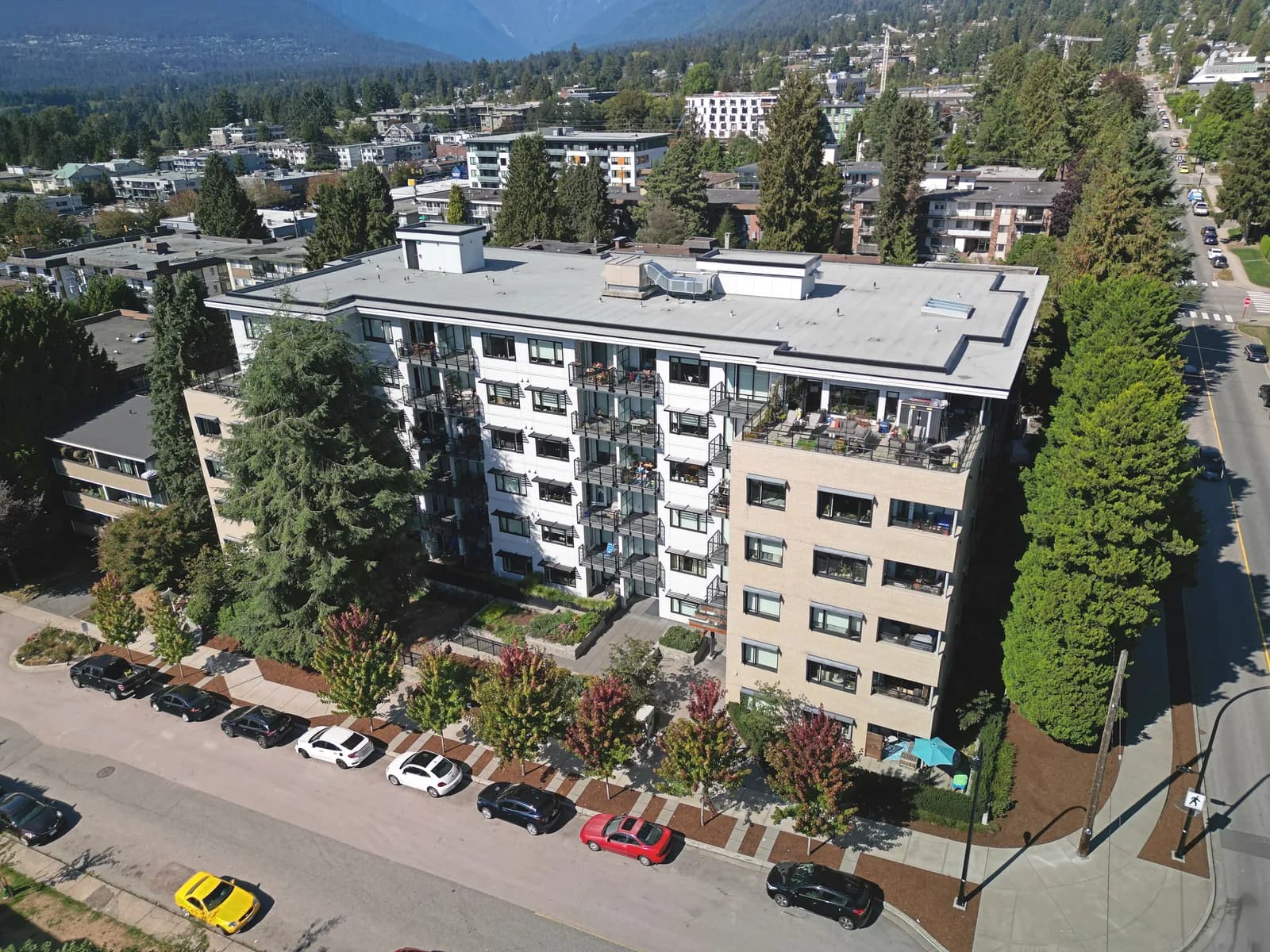
Take a 1990s three-storey wood-frame strata with 36 units and about 26,000 square feet of wall. A full re-clad at $80 to $160 per square foot lands between roughly $2.1 million and $4.2 million. A repair program covering the worst two elevations can still reach $400,000 to $900,000 once scaffold, consultant fees and contingency are in, and it leaves the other two elevations on the original wall design. If those elevations are also borderline, the council has paid a large share of a replacement and still owns the problem.
Face-sealed walls change the math
Much of BC's building envelope trouble comes from walls built between the mid-1980s and about 2000 with face-sealed stucco: the cladding sits directly on building paper over sheathing, with no gap behind it for water to drain out. Those walls depend on the outer surface staying perfect. On the coast, with wind-driven rain for five months a year, it rarely does.
Since the mid-2000s, the BC Building Code has required a capillary break, a drained and vented cavity behind the cladding, on most new low-rise walls in the Lower Mainland and on Vancouver Island. The City of Vancouver sets its own rules through the Vancouver Building By-law, which carries the same requirement. When you repair a face-sealed wall with face-sealed patches, you are restoring a design the code has already moved away from. That can be fine for a while. It does not change how the rest of the wall behaves in the next atmospheric river.
In any building envelope repair vs replacement call, the age and design of the wall weigh as heavily as the test results. A face-sealed wall with damage at 15 percent of openings is a different decision from a rainscreen wall with the same numbers. On the face-sealed wall, ask how long you plan to own the building. If the answer is under about ten years (a planned sale, or a rental block waiting for redevelopment), targeted repair is often the honest recommendation. If you are keeping it for twenty, choosing full envelope replacement now usually costs less than three rounds of repairs.
Permits follow the scope. Sealant work and isolated patching rarely need one. Stripping cladding to the sheathing, replacing sheathing or framing, or changing the wall assembly generally brings a building permit into play, and on multi-family buildings most Lower Mainland municipalities expect drawings and field reviews from a building envelope professional. Budget those weeks into any replacement timeline.
What each path costs over ten years
The cheaper option on day one is often not the cheaper option over a decade, so compare the two paths over ten years.
Consider a 1990s two-storey house in Surrey or Coquitlam with about 3,000 square feet of face-sealed stucco wall and leaks at six windows. A repair path might cost $20,000 to $35,000 now: new sill flashings, sheathing replacement under those windows, sealant on the rest. On a face-sealed wall, a second round within five to eight years is common, at similar cost. Over ten years that can total $40,000 to $70,000, the wall is still face-sealed, and the house still needs replacement eventually.
The replacement path on the same house is a full re-clad over a new membrane and rainscreen cavity at $40 to $75 per square foot, so $120,000 to $225,000 before windows. New windows add roughly $1,500 to $3,000 per opening installed, and replacing them during the re-clad is far cheaper than doing it separately later. The work runs about two to four months on site.
Neither number is small. The difference is that one of them ends the problem. For an owner planning to stay, choosing replacement is usually the better money. For an owner selling in two years, it usually is not, provided the disclosure is honest.
The mistake that costs owners the most
The most expensive mistake we see is paying for repairs on an elevation that will be stripped within five years.
It happens like this. A council or homeowner approves $60,000 of window replacements and sealant work on the west wall to stop a leak. Two years later, a condition assessment recommends a full re-clad. The new wall is thicker because it has a drainage cavity and sometimes exterior insulation, so the windows sit in the wrong plane and their flashings will not tie into the new membrane. Some of them come out. The sealant work goes in the skip on day one.
Before approving any repair larger than routine maintenance, ask one question: will this element survive a future re-clad? If the honest answer is no, spend only what keeps water out for now, and put the rest toward the replacement. A council with an envelope assessment underway should hold off on window replacements entirely until the report is in.
When full replacement is the wrong call
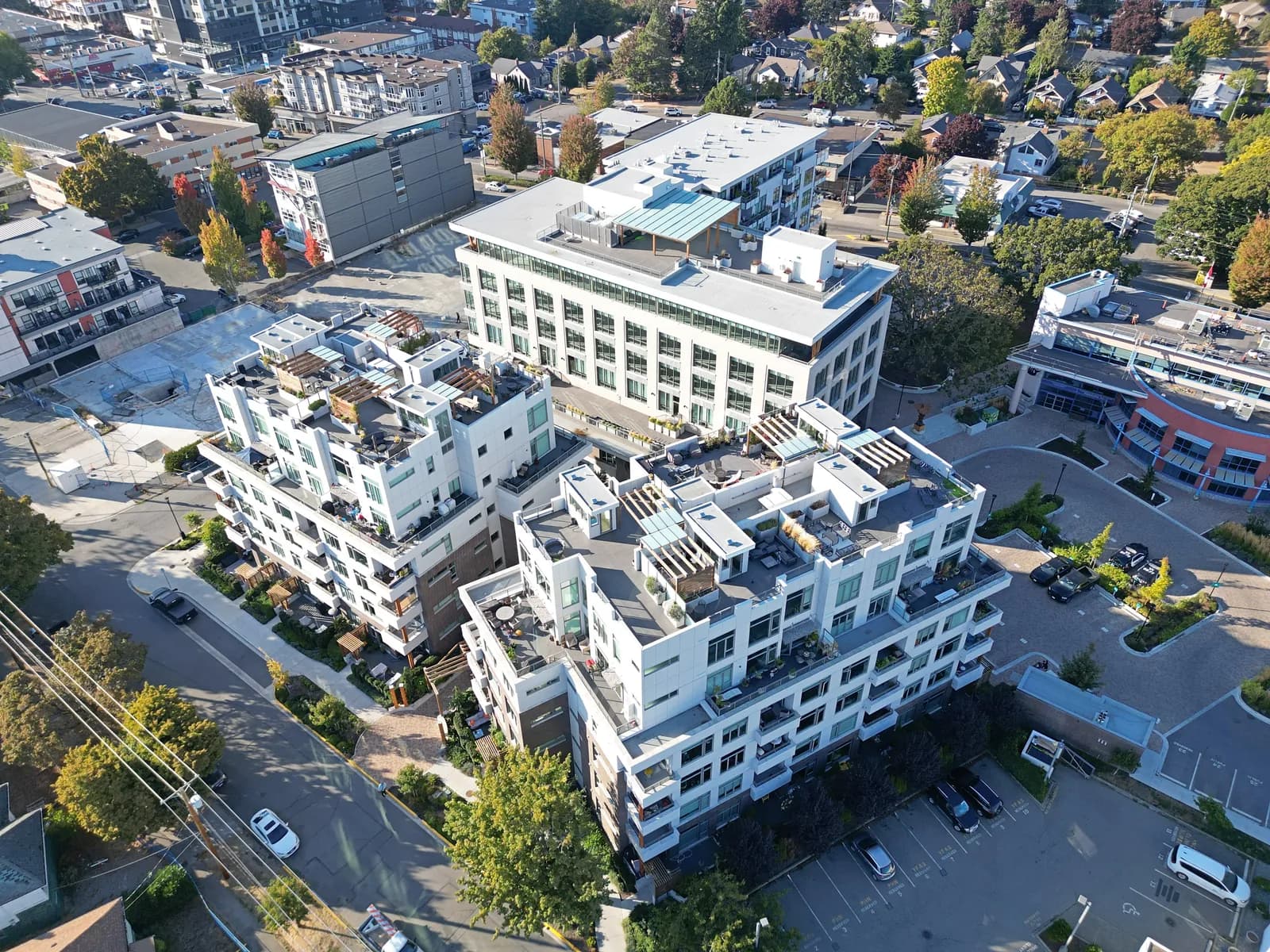
Replacement gets oversold too. Buildings from the mid-2000s onward that already have a rainscreen cavity usually fail at specific details: window perimeters, balcony membrane terminations, roof-to-wall junctions, penetrations for dryer vents and lights. Stripping a working rainscreen wall to fix those details throws away an assembly that is doing its job. Targeted repair at the details, done properly with new flashings and membrane laps, is the right scope for most of these buildings.
The other oversell is cosmetic. Owners sometimes want a re-clad because the stucco looks tired. If the sheathing is dry and the wall has a drainage cavity, a new finish coat or recoat costs a fraction of replacement and lasts well. Our stucco repair vs replacement guide covers that call for stucco walls in detail.
If a contractor recommends full envelope replacement, ask to see which test openings were wet and where they were. A recommendation that cannot point to the data is an opinion.
How strata councils make the call
For strata buildings, the decision runs through paperwork with its own timeline. BC's 2024 amendments to the Strata Property Act regulations moved most stratas to a new depreciation report every five years, and that report is often where envelope replacement first appears as a line item with a remaining-life estimate. The depreciation report gives a planning number based on a visual review, without test openings. Our post on what strata depreciation reports trigger explains how councils should read it.
The diagnosis comes from a building envelope condition assessment by a consultant. For a three-storey, 30-unit wood-frame building in the Lower Mainland, that runs roughly $12,000 to $30,000 in 2026 and takes six to ten weeks including test openings. Our breakdown of what a building envelope report tells you walks through how to read one.
Funding follows. A special levy under section 108 of the Strata Property Act needs a 3/4 vote at a general meeting. Spending from the contingency reserve fund on work recommended in the current depreciation report needs only a majority vote, which is one reason councils try to get envelope work named in the report before going to the owners.
From assessment to the start of construction, a full re-clad on a mid-size strata typically takes 9 to 15 months: assessment, design, permit, tender and the levy vote. Construction itself runs about 6 to 12 months for a three- or four-storey building. Repairs move faster, often 2 to 4 months from report to completion, which is part of their appeal and part of why they get chosen when they should not be.
Choosing the contractor matters as much as choosing the scope
Repair work and replacement work fail for the same reason: poor detailing at windows, balconies and transitions. The scope decision only pays off if the crew builds those details correctly, and that is something to check before you sign.
MV Construction has been doing building envelope repair and full re-clad work across Greater Vancouver and Vancouver Island for more than 10 years. We are fully licensed, WCB-covered and insured for strata and commercial sites, and our workmanship is warranty-backed. Every project starts with a free written estimate that lists the scope, the repair areas and the allowances for hidden conditions, so the cost of what we find behind the cladding is agreed in writing before the wall comes off. Whether the answer is a targeted repair or a full exterior renovation, you see the test data and the reasoning first.
If your building is showing signs and you are weighing building envelope repair vs replacement, call us at (778) 375-5672 or request a written estimate. A site visit with a few well-placed test openings will tell you more than any number of photos from the sidewalk.