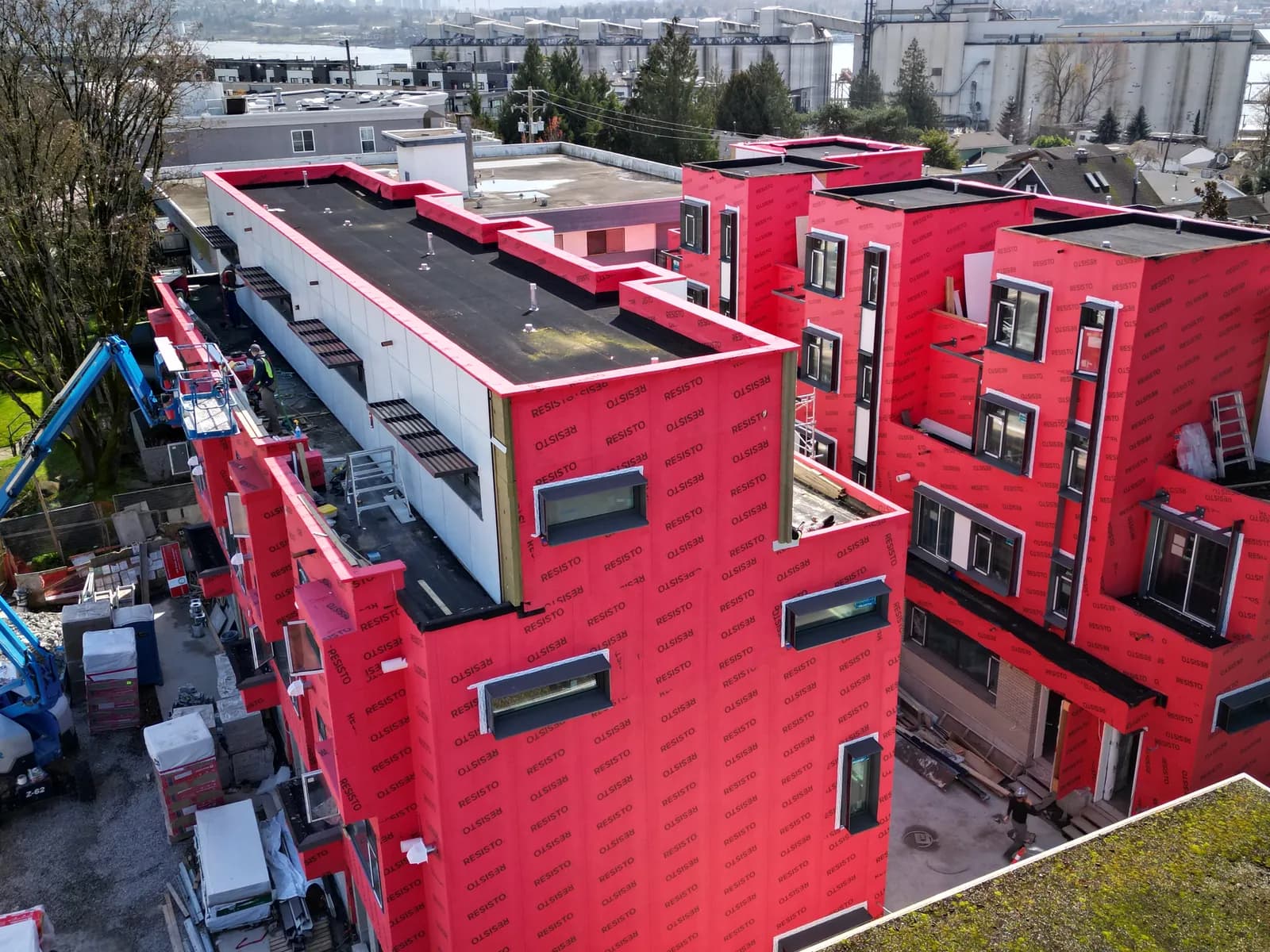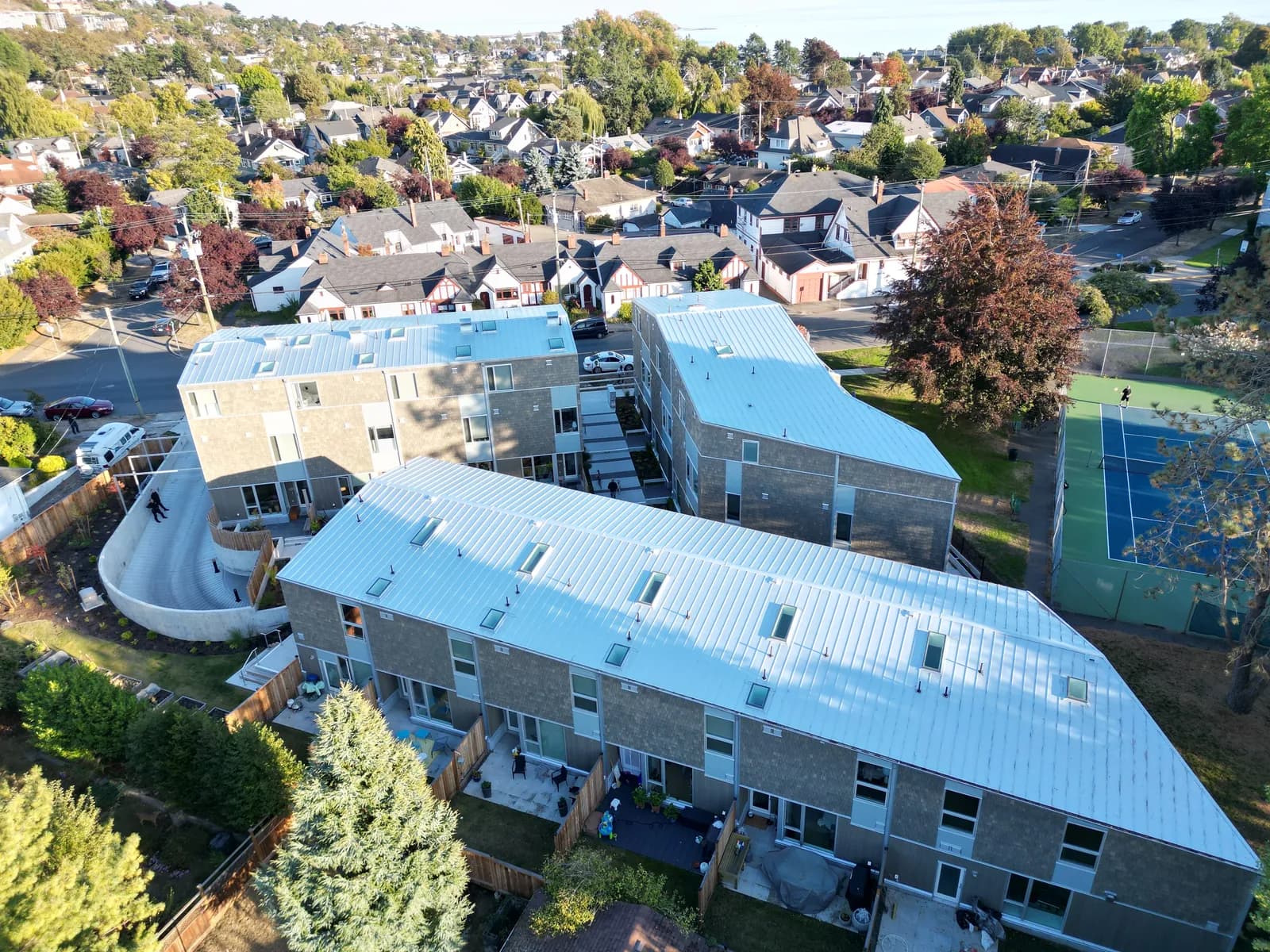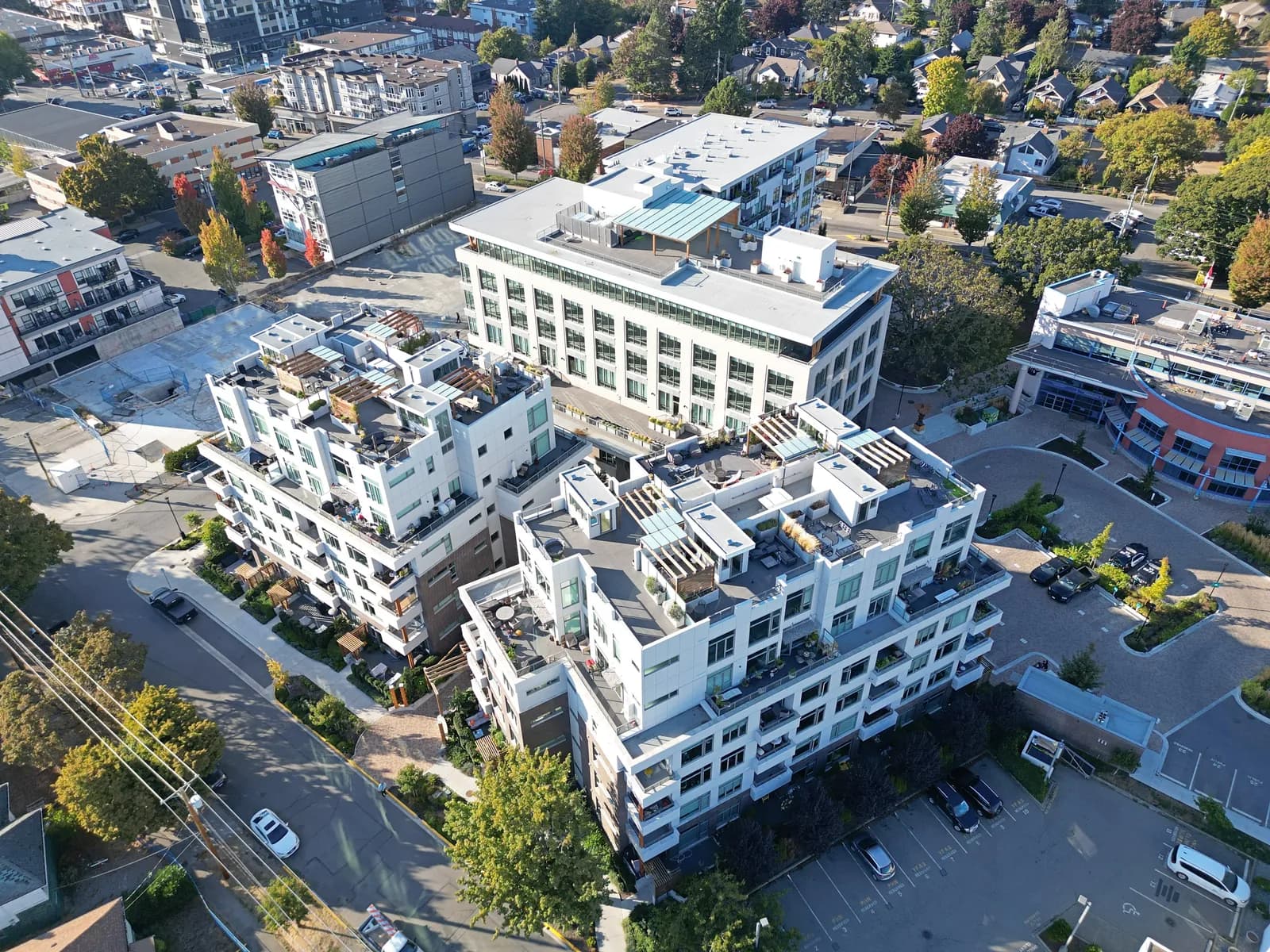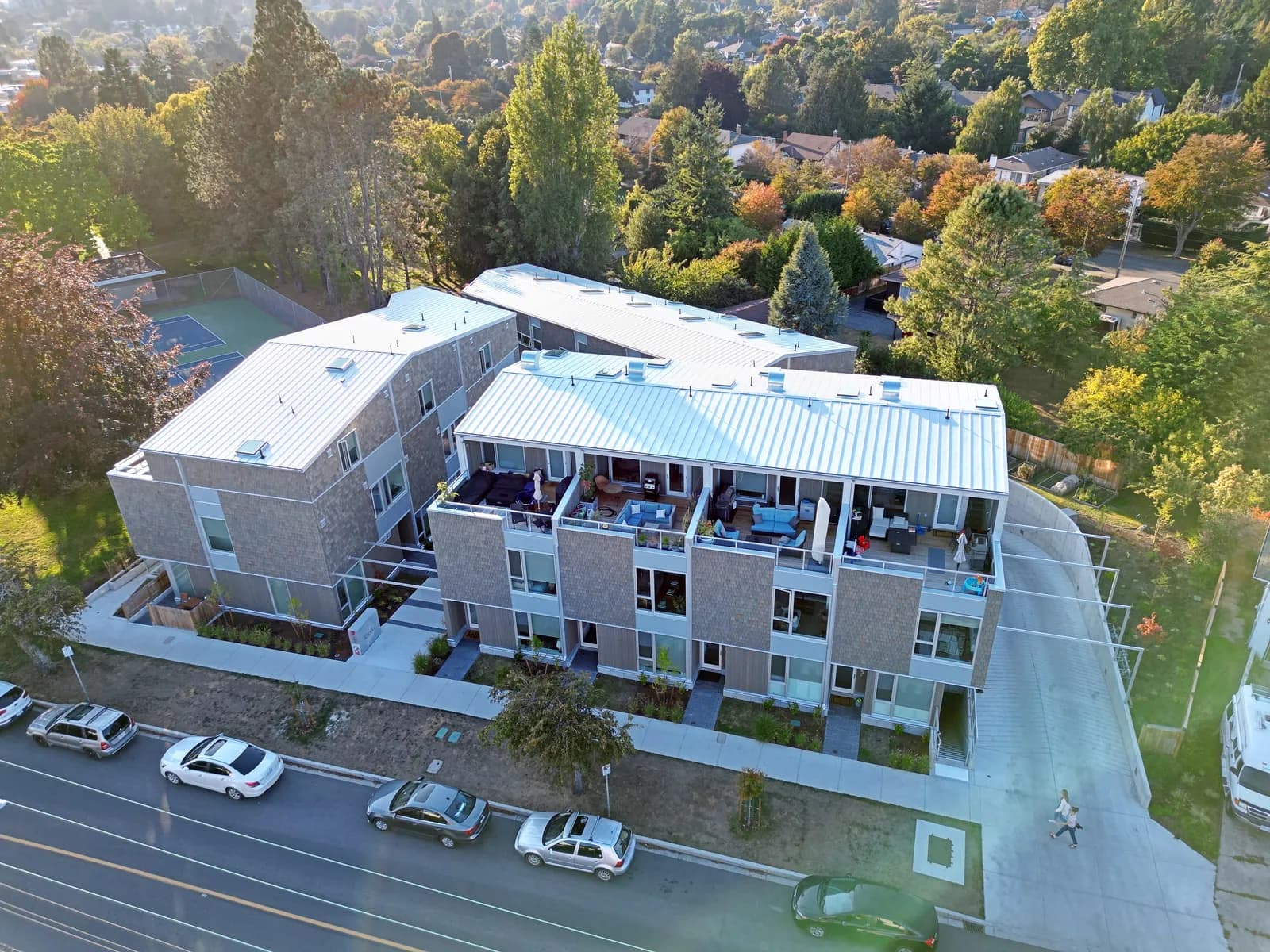
In October the envelope consultant sends council a number: $780,000 for exterior repairs on a 36-unit wood-frame building in New Westminster, most of it balcony membranes, window perimeter sealant and paint. The contingency reserve fund holds $690,000. Somebody at the council table says what everyone is thinking. We already have most of the money, so why ask the owners for a strata special levy?
We hear that question on nearly every strata project we price in the fall. Paying for exterior repairs in BC out of the reserve feels painless because the money is already collected. A special levy feels like asking your neighbours for cash a few weeks before Christmas. But the choice decides what the building can afford for the next ten years, and the route that looks cheaper at the meeting often costs owners more.
Should a BC strata pay for exterior repairs from the contingency reserve fund or a special levy?
Use the contingency reserve fund for repairs your current depreciation report recommends, but only down to the balance that still covers the next major item on the report's schedule. Fund the rest with a special levy. CRF spending on report items passes by majority vote, while a special levy always needs a 3/4 vote. Full envelope remediation on a 1990s wood-frame strata runs $75,000 to $135,000 per unit, which no reserve covers, so expect a levy, a loan or both.
Two pots of money, two different votes
The contingency reserve fund is money owners have already paid, held under the Strata Property Act for expenses that come up less often than once a year. Spending it takes a 3/4 vote at a general meeting under section 96, or a simple majority when the work is recommended in your current depreciation report. Councils tend to underrate that second route. Balcony membranes, sealant and repainting show up in almost every depreciation report on an older building, so paying for them from the CRF is usually a majority vote.
A special levy under section 108 always needs 3/4. The resolution has to state the purpose, the total amount, how each lot's share is calculated and the due dates. Shares follow unit entitlement unless owners approve a different fair formula by unanimous vote, which in practice means a large corner two-bedroom pays a good deal more than a studio. The money can only be spent on the purpose in the resolution. If more than $100 per lot is left when the work is done, it goes back to the owners. A smaller remainder goes into the CRF.
Two more routes exist. Section 98 lets council spend without a vote in an emergency, to ensure safety or prevent significant loss or damage. That covers temporary weatherproofing after a balcony membrane fails over someone's living room. It does not cover the permanent repair. And under section 111 the strata can borrow, again with a 3/4 vote. Resolution wording and quorum carry their own traps, and we cover them in our article on strata owner approval for an exterior renovation.
How far the reserve goes on exterior work
Divide the CRF by the number of units before you decide anything. A $690,000 fund sounds healthy at a council meeting. Across 36 units it is about $19,200 each.
Now set that against what the exterior of a 1990s three- or four-storey wood-frame building costs over its life, at 2026 Lower Mainland pricing with access included:
- window and door perimeter sealant, every 7 to 10 years: roughly $2,000 to $4,000 per unit
- repainting stucco, fibre cement and trim, every 8 to 12 years: roughly $4,000 to $8,000 per unit
- balcony membrane replacement, every 15 to 20 years: roughly $6,000 to $12,000 per balcony, more when the plywood under the membrane is wet
- full rainscreen remediation, once: $75,000 to $135,000 per unit
The Strata Property Regulation sets a minimum yearly contribution to the CRF of 10 percent of the operating fund contribution. On a building with a $400,000 operating budget that is $40,000 a year, a little over $1,100 per unit across 36 units. Depreciation reports on older wood-frame buildings usually recommend well above the minimum, and a lot of councils still contribute close to it because higher strata fees are a hard sell at the AGM.
So a reasonably funded reserve can carry cycle work. It cannot carry remediation. A building that needs its envelope rebuilt is going to a special levy or a loan however disciplined its council has been, and the real decision becomes how much of the reserve to put in alongside it. If you are setting next year's contributions right now, our guide to budgeting exterior repairs before the strata AGM covers what belongs in which fund.
Three ways to fund the same $780,000
Take the 36-unit building from the opening. The CRF holds $690,000 and receives $84,000 a year. The depreciation report schedules a roof replacement in 2029 at about $410,000. The $780,000 exterior repair package is on the report too, so the CRF portion passes by majority. Interest is left out to keep the arithmetic clean.
| Funding plan | Votes needed | Special levy, average unit | CRF after the work | CRF when the roof is due |
|---|---|---|---|---|
| CRF covers $690,000, levy $90,000 | Majority and 3/4 | $2,500 | $0 | $252,000, about $158,000 short |
| Levy covers all $780,000 | 3/4 | $21,667 | $690,000 | $942,000 |
| CRF $390,000, levy $390,000 | Majority and 3/4 | $10,833 | $300,000 | $552,000 |
The first plan wins the meeting. It also schedules a second levy of roughly $4,400 per unit for the roof in 2029, and leaves the building with an empty reserve for the three years in between.
The second plan protects the fund and asks the most of owners at once. By unit entitlement, a one-bedroom with 68 of the building's 3,060 units of entitlement pays about $17,300, and a two-bedroom at 104 pays about $26,500. Owners on fixed incomes tend to vote against a levy that size, which makes this the plan most likely to fail the 3/4 vote.
We would take the third plan to most councils. The levy drops to about $8,700 for that one-bedroom and $13,300 for the two-bedroom, the roof is covered with roughly $140,000 to spare, and the reserve never drops below $300,000. Write the two resolutions so the council has a fallback if the levy fails: a reduced scope, usually the balcony membranes, that the CRF resolution can fund on its own. The rest of the package then goes to the next general meeting instead of dying in the room.
The mistake: emptying the reserve to avoid a 3/4 vote
The most common funding mistake we see is a council running the CRF down to near zero because the majority vote is easy and the levy vote is frightening.
Water-damage deductibles on BC strata insurance policies often run well into five figures, and the strata pays the deductible, so one burst pipe in a building with no reserve becomes an unplanned special levy. Buyers' agents read the CRF balance on the Form B information certificate and the depreciation report together, and a near-empty fund beside a list of upcoming repairs tells them a levy is on the way. And the next item on the schedule, a roof or the windows, arrives as a levy anyway, usually with less notice than this one had.
Phasing to fit the fund usually costs owners more
The most expensive way to avoid a strata special levy is to cut the exterior repairs into pieces small enough for the CRF to absorb, one elevation per year. Councils rarely expect a contractor to say so, since every extra phase is another mobilization for us to bill.
Every phase pays again for mobilization, scaffold erection and removal, permits, and the consultant's tender and field reviews. Access alone runs 15 to 25 percent of an exterior job on a four-storey building, and envelope consultant fees often add another 10 percent or more of construction cost. Spread the same scope over four seasons and we would expect the total to land 10 to 20 percent above doing it in one, before construction inflation is counted.
The elevations that wait keep taking water. A wall opened in year four has more soft sheathing behind it than it had in year one, and that difference reaches owners as change orders. Phasing makes sense when the elevations are failing at very different rates, for example when moisture readings show the south and west walls wet and the sheltered north wall sound. In that case the readings set the phases, which is the right reason. If you want a second opinion on whether your building is a phasing candidate, that assessment is a normal part of our building envelope repair work.
Set the levy due dates by the construction schedule
A levy approved in February with a single due date in December does nothing for a contractor who starts in May. Exterior work is billed in monthly progress draws. Under the BC Builders Lien Act the strata also holds back 10 percent of each draw until 55 days after completion, so the cash need peaks in the summer and tails off in the fall.
On the $780,000 example running May to September, draws of $120,000 to $200,000 a month start in June. Two levy instalments, due April 1 and July 1, put the money in the account before each wave of invoices and give owners who cannot pay in one lump a few months between payments.
Due dates decide one more thing. Under section 109 of the Strata Property Act, a levy instalment payable before a sale completes is the seller's to pay, and one payable on or after the completion date is the buyer's. Owners planning to sell in the spring will read the due dates closely.
Working backward from a May start: contractor pricing in January, a special general meeting in late February or early March with at least two weeks' written notice, first instalment April 1. Councils that start construction in May are deciding the funding plan this month.
When neither pot is big enough
Full envelope remediation changes the scale. On 36 units at $75,000 to $135,000 per unit, the project costs $2.7 million to $4.9 million, and no CRF in a building of that age holds anything close.
Councils in that position usually combine three sources. The CRF pays for the consultant's investigation and design, often by majority vote because the depreciation report recommends it. A special levy pays for construction. A loan under section 111 lets owners pay their share over years through monthly strata fees, and some councils let owners pay their full share up front and stay out of the loan. The depreciation report is where most councils first see the remediation number, but its cost figure is often years old and should not be the levy amount.
A re-clad to the sheathing needs a building permit under the BC Building Code, or under the Vancouver Building By-law inside the city. Permit fees, the consultant's field reviews and a construction contingency of 10 to 15 percent all belong in the levy figure. A levy sized without them comes back for a second vote halfway through the job.
What council should have before the funding vote
Get a current budget price from a contractor who builds this kind of work, with construction, access, permits, consultant fees and contingency shown on separate lines. Ask for a monthly draw schedule so the levy due dates match the cash need. Tie each item of scope to its line in the depreciation report, because that is what lets the CRF portion pass by majority. And have the fallback scope written into the meeting package.
MV Construction has priced and built exterior renovations across Greater Vancouver and Vancouver Island for 17+ years, from walk-up stratas in New Westminster and Burnaby to townhouse complexes in the Tri-Cities. We are fully licensed, insured and WCB-covered, our workmanship is warranty-backed, and strata budget prices from us come with access, permits and contingency broken out so the levy figure matches the work. To get numbers in front of your council before the spring meeting, call (778) 375-5672 or request a fixed-scope written estimate.